
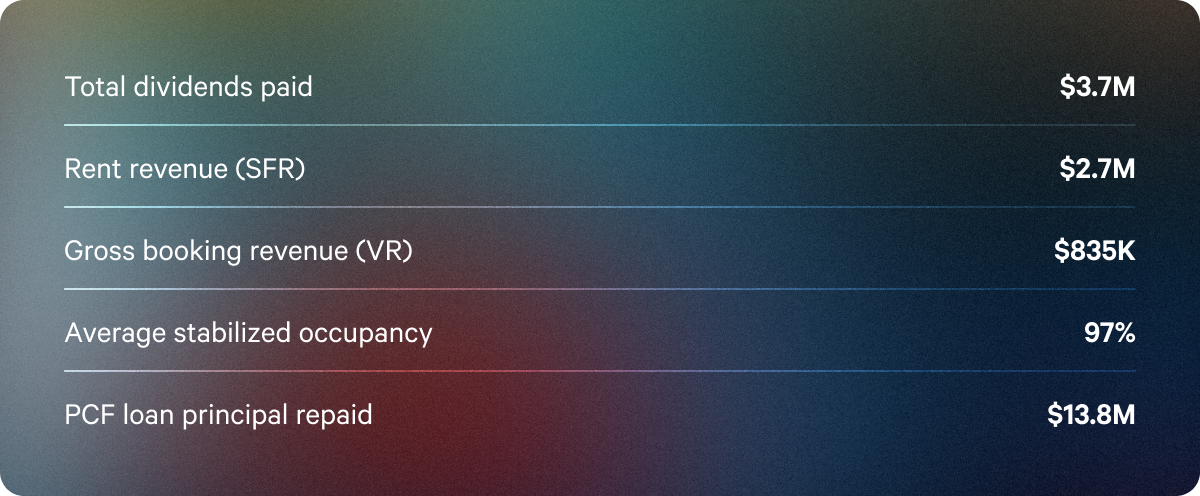
In Q1 2026, Arrived delivered steady operational performance across our portfolio of single-family rentals, vacation rentals, and private credit offerings. Investors received over $3.7M+ in total dividends for the quarter, while core operating metrics remained strong across the platform.
Here’s how Arrived offerings performed on yield, occupancy, leasing, and credit in Q1 2026.
Q1 Highlights
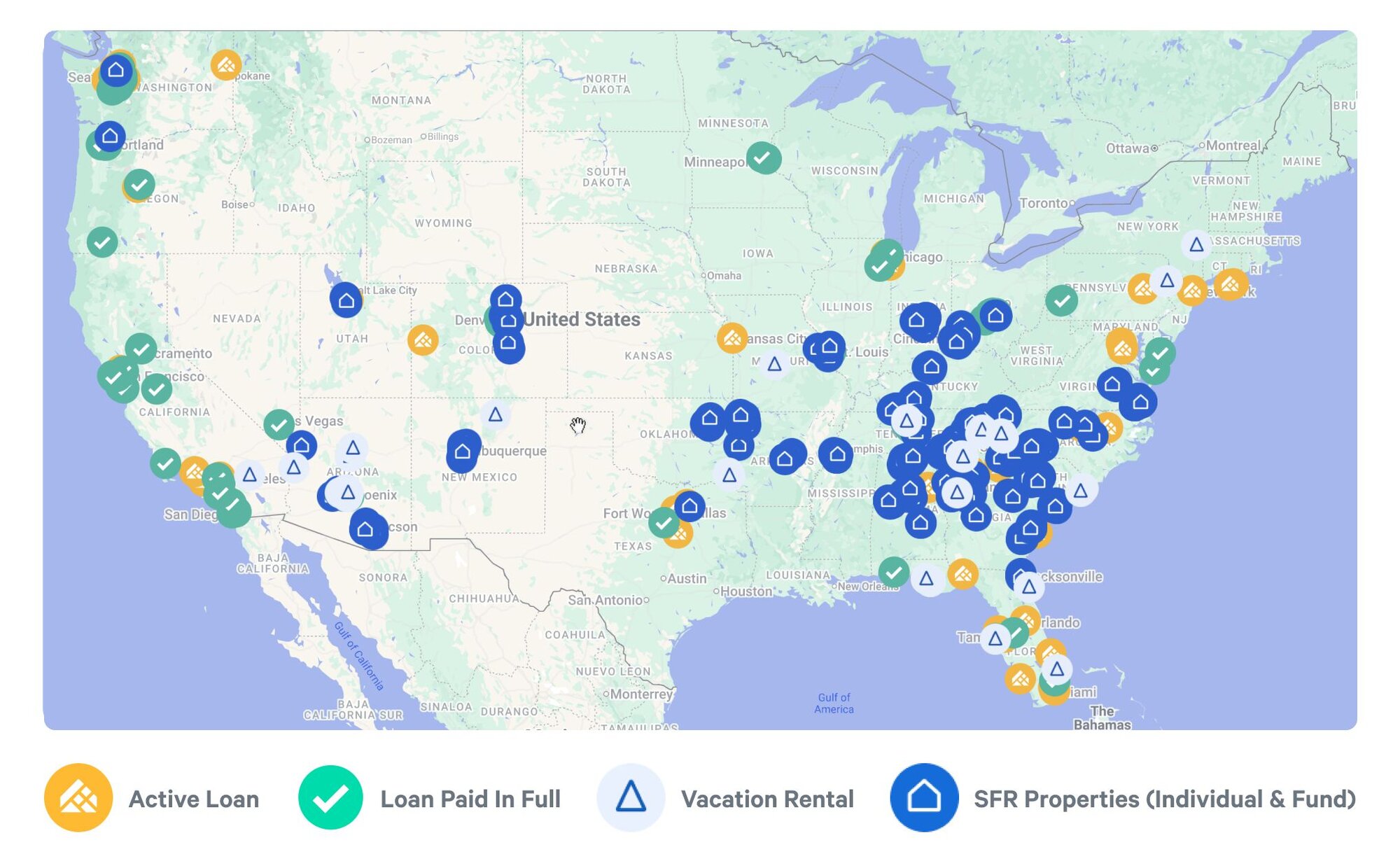
Arrived’s portfolio spans dozens of markets across the U.S., giving investors access to diversified real estate investments nationwide without the complexity of managing properties themselves. From high-growth metro areas to stable suburban neighborhoods, our offerings are thoughtfully selected to balance risk, deliver income, and capture long-term value across regions.
Below you can see the geographic diversification of Single Family Residential, Vacation Rental, and Private Credit offerings in the Arrived portfolio.
New offerings and platform enhancements
In Q1 2026, Arrived continued to improve the investor experience through new platform updates, expanded liquidity access, and enhancements to property sourcing.
The Arrived Secondary Market moved to a monthly trading cadence, with all eligible offerings now included in each window. This update creates a more predictable schedule and a simpler experience for investors looking to buy or sell shares.
Arrived also continued to expand direct builder relationships that can help improve property economics at launch. In select offerings, these partnerships have created meaningful upfront savings through builder price reductions and reduced operating costs, such as waived property management fees.
During the quarter, we also rolled out a refreshed portfolio experience across browsers and iOS, making it easier for investors to view all positions in one place and better understand their holdings at a glance. The new experience is designed to improve clarity, usability, and portfolio visibility today, while laying the foundation for future enhancements, including expanded performance insights, account balance visualizations, and more intuitive portfolio-tracking tools throughout 2026.
Single Family Residential property performance
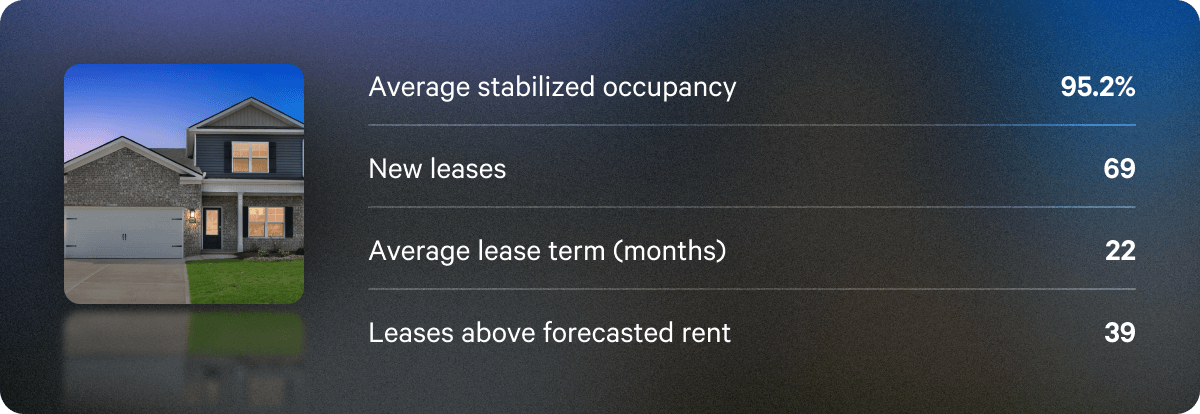
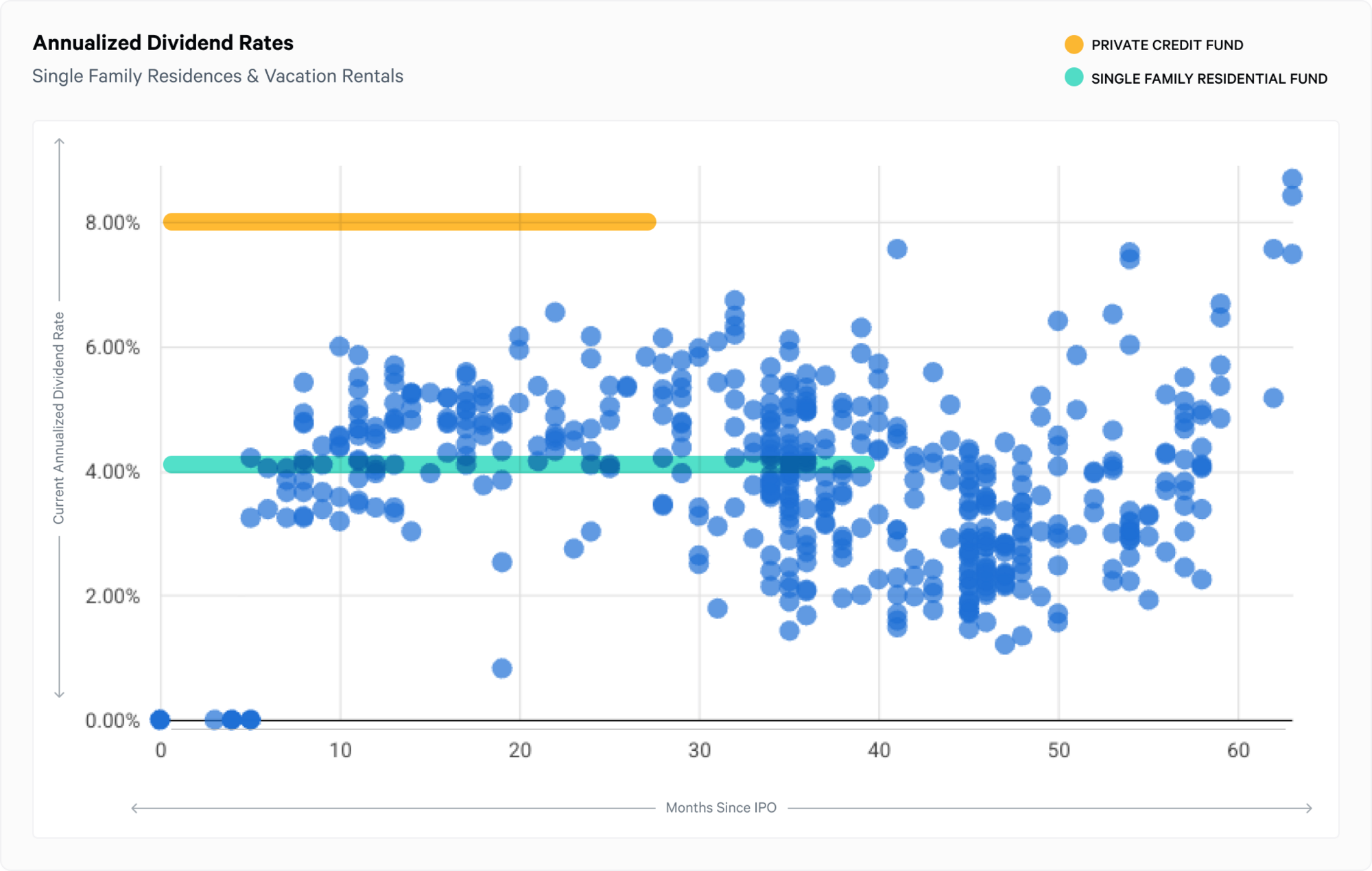
Arrived’s Single Family Residential portfolio delivered strong operating performance in Q1 2026, supported by healthy leasing activity and stable occupancy across the portfolio. Individual single family residential properties averaged a 95.2% stabilized occupancy for the quarter, with 69 new leases started, reflecting the seasonal pickup in leasing activity following the slower holiday period. Of those leases, 39 were signed above forecasted rent, underscoring continued strength in rental demand and leasing execution. Across the portfolio, annualized dividend rates ranged from 1.3% to 9.9%, with an average of 3.6% for the quarter.
As leasing season accelerated through the quarter, Arrived continued to benefit from its strategy of aligning lease expirations with stronger spring and early-summer demand. This approach helps support faster lease-up periods and stronger rent outcomes over time, while maintaining a focus on occupancy, dividend consistency, and long-term portfolio stability.
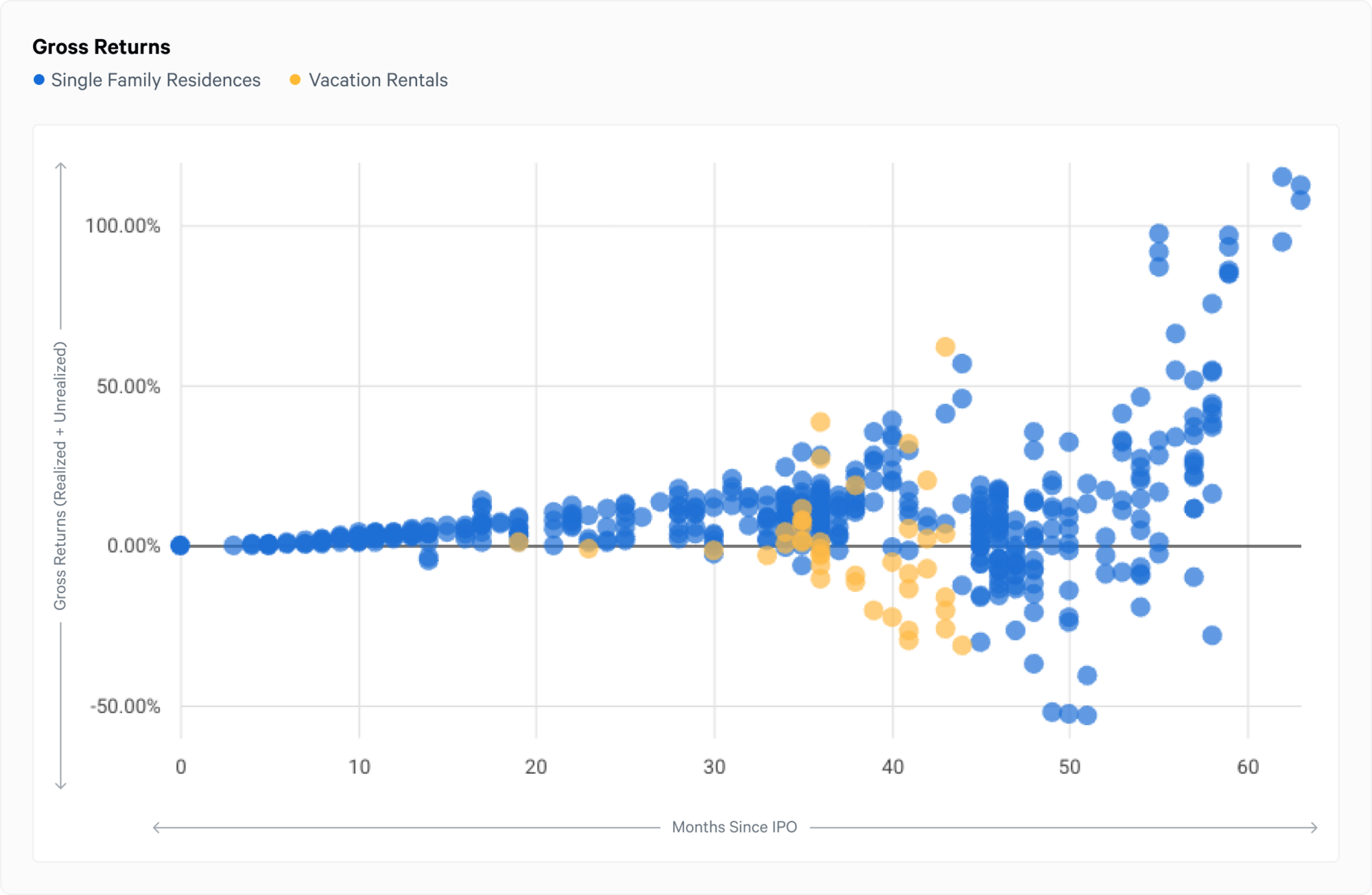
The charts below reflect annualized dividend rates and gross returns (realized dividends plus unrealized appreciation) for Single Family Residential and Vacation Rental properties as of Q1 2026.
These charts illustrate how building a diversified portfolio across property types and markets may help reduce risk and improve long-term outcomes.
Below, you’ll find a chart that shows the estimated market value performance for the individual rental properties in the Arrived portfolio.
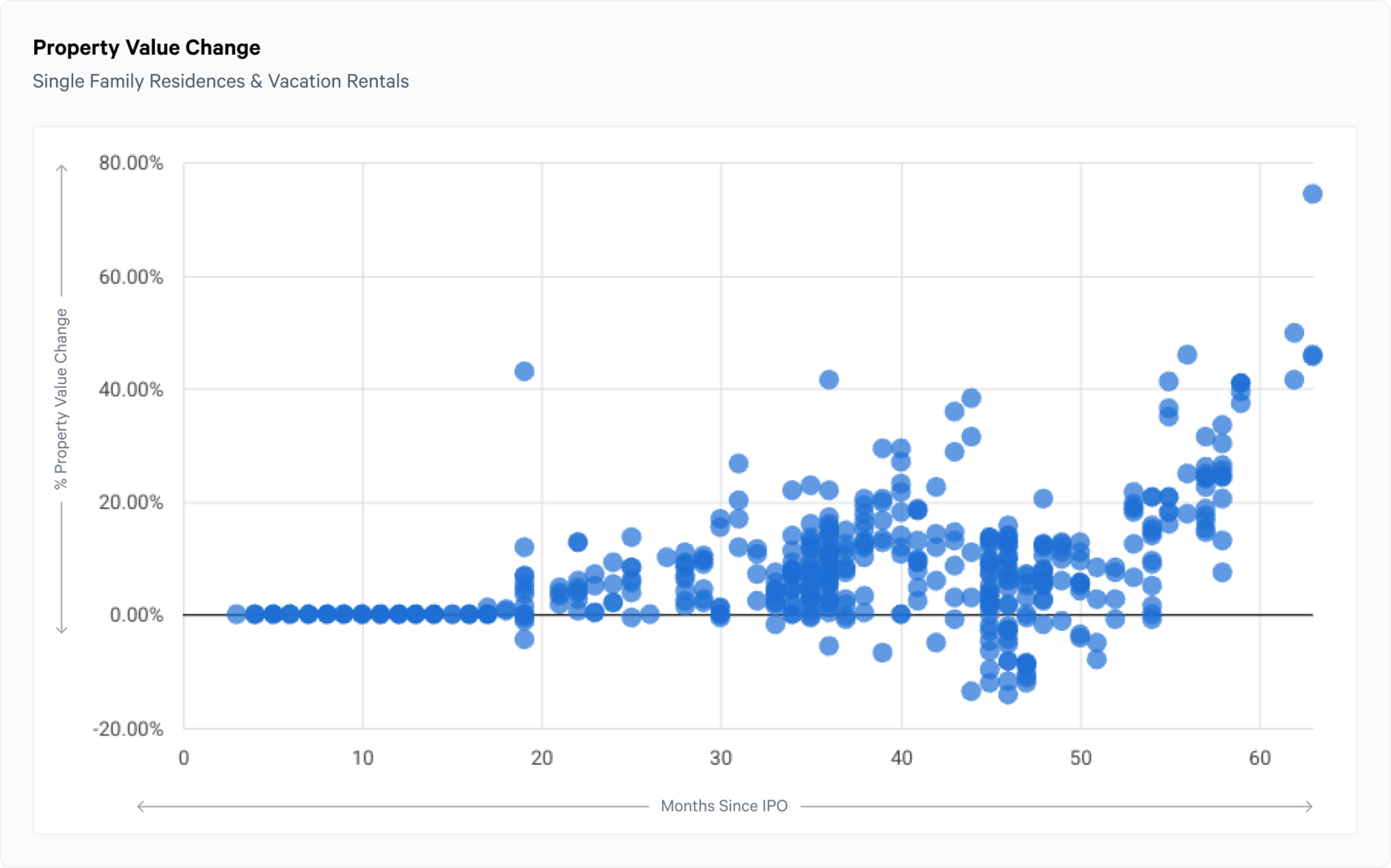
To view individual property performance and historical returns, visit the Arrived Returns page. Past performance is not indicative of future results.
Equity fund performance
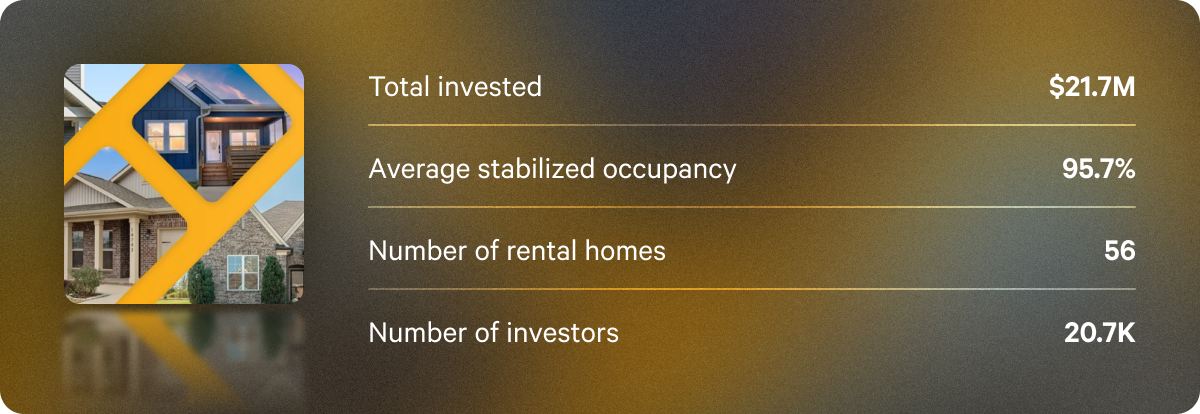
The Single Family Residential Fund continued to build momentum in Q1 2026, supported by stable rental income and strong occupancy across the portfolio. The fund’s annualized dividend yield increased from 4.1% in January to 4.3% in March, ending the quarter above recent historical averages, with an average of 4.2% for Q1.
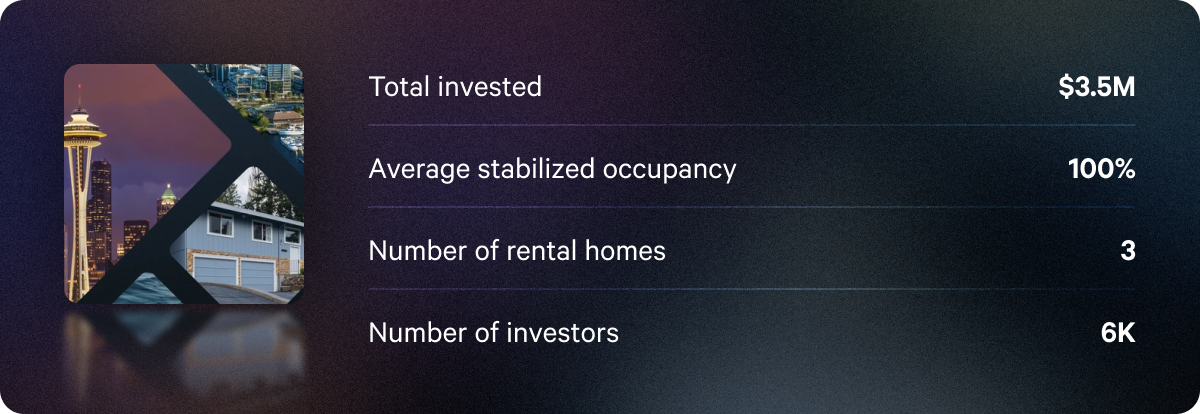
The Seattle City Fund also posted strong results in Q1 2026. Its annualized dividend yield increased from 4.1% in January to 5.2% in February and March, reflecting continued progress as the fund’s portfolio became more fully deployed and operational. By late March, the fund was reporting yields above recent distributions.
A key contributor to higher equity fund yields in the quarter was Arrived’s cash management approach within the fund. When appropriate, excess capital in the equity funds may be allocated to real estate-secured credit investments to help reduce idle cash, generate additional income, and keep capital positioned for future property acquisitions. This use of strategic private credit helped support fund efficiency during the quarter while preserving flexibility for ongoing portfolio growth.
Private Credit Fund performance
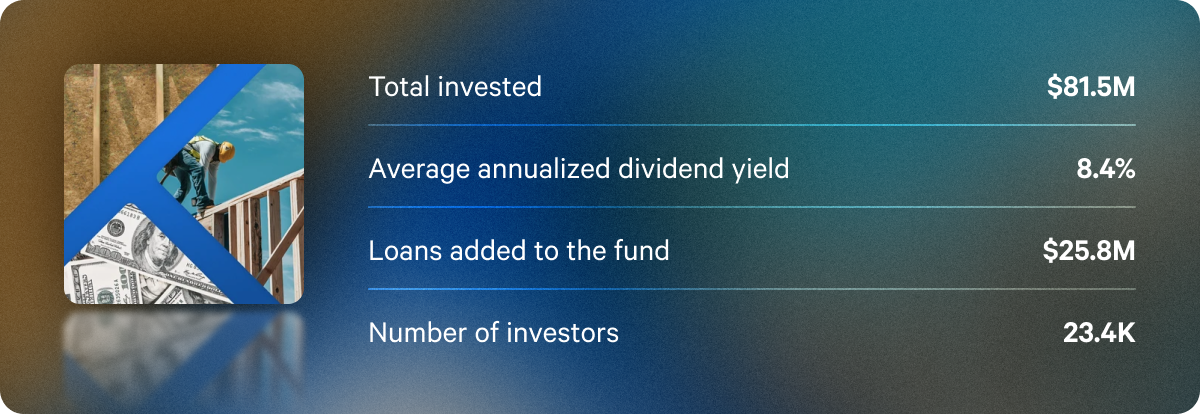
The Arrived Private Credit Fund continued to deliver steady performance in Q1 2026, supported by ongoing loan repayments and a diversified portfolio of residential real estate-backed loans. The fund’s annualized dividend yield was 8.1% in January, 8.6% in February, and 8.5% in March.
Portfolio activity also remained strong during the quarter. As of late March, the fund reported 50 active loans and 18 loans repaid in full in Q1, reflecting continued repayment activity and capital turnover across the portfolio. The fund currently has $81.5M in total net assets and more than 23K investors.

Vacation Rental performance
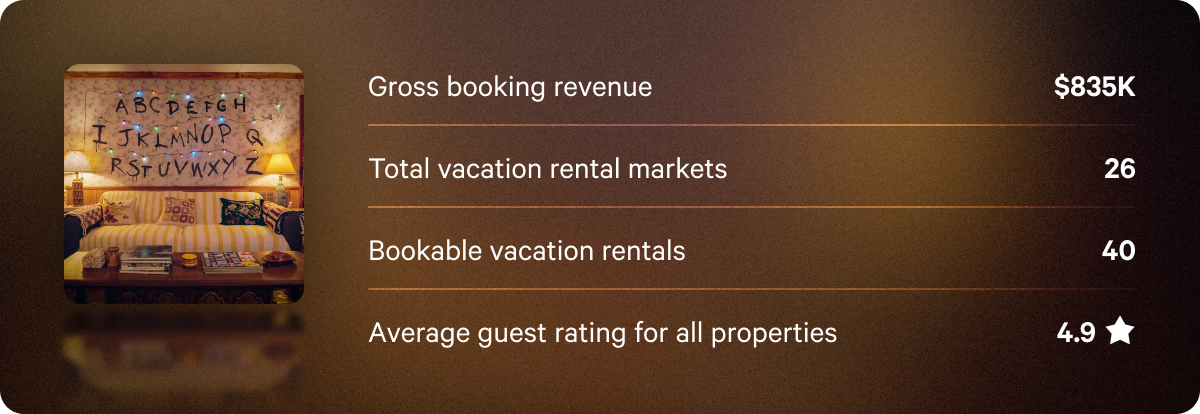
In Q1 2026, 40 vacation rental properties were bookable across Arrived’s portfolio, generating more than $835K in gross booking revenue for the quarter and ending Q1 with an average guest rating of 4.9 out of 5.0 stars. As with prior quarters, performance across the category reflected the seasonality and market-by-market variability that are typical of vacation rentals, with booking trends generally improving as the portfolio moved closer to the spring travel season. Annualized dividend rates across the vacation rental portfolio ranged from 1.18% to 9.24%, with an average of 1.53% for the quarter.
Vacation rentals remain a differentiated part of our platform, but they also come with greater operational complexity and more variability in income and expenses than long-term rentals. While several properties have delivered standout results, our broader focus has been on improving consistency across the category through tighter execution and portfolio optimization.
That operating focus continued into Q1 2026 as we remained focused on optimizing our existing vacation rental portfolio, transitioning select homes to in-house oversight, and investing in operational improvements designed to strengthen the guest experience and support long-term financial performance.
The table below outlines the gross booking revenue and average guest rating for each vacation rental property. Gross booking revenue is presented before deductions for property management fees, operating expenses, and repairs or maintenance costs.
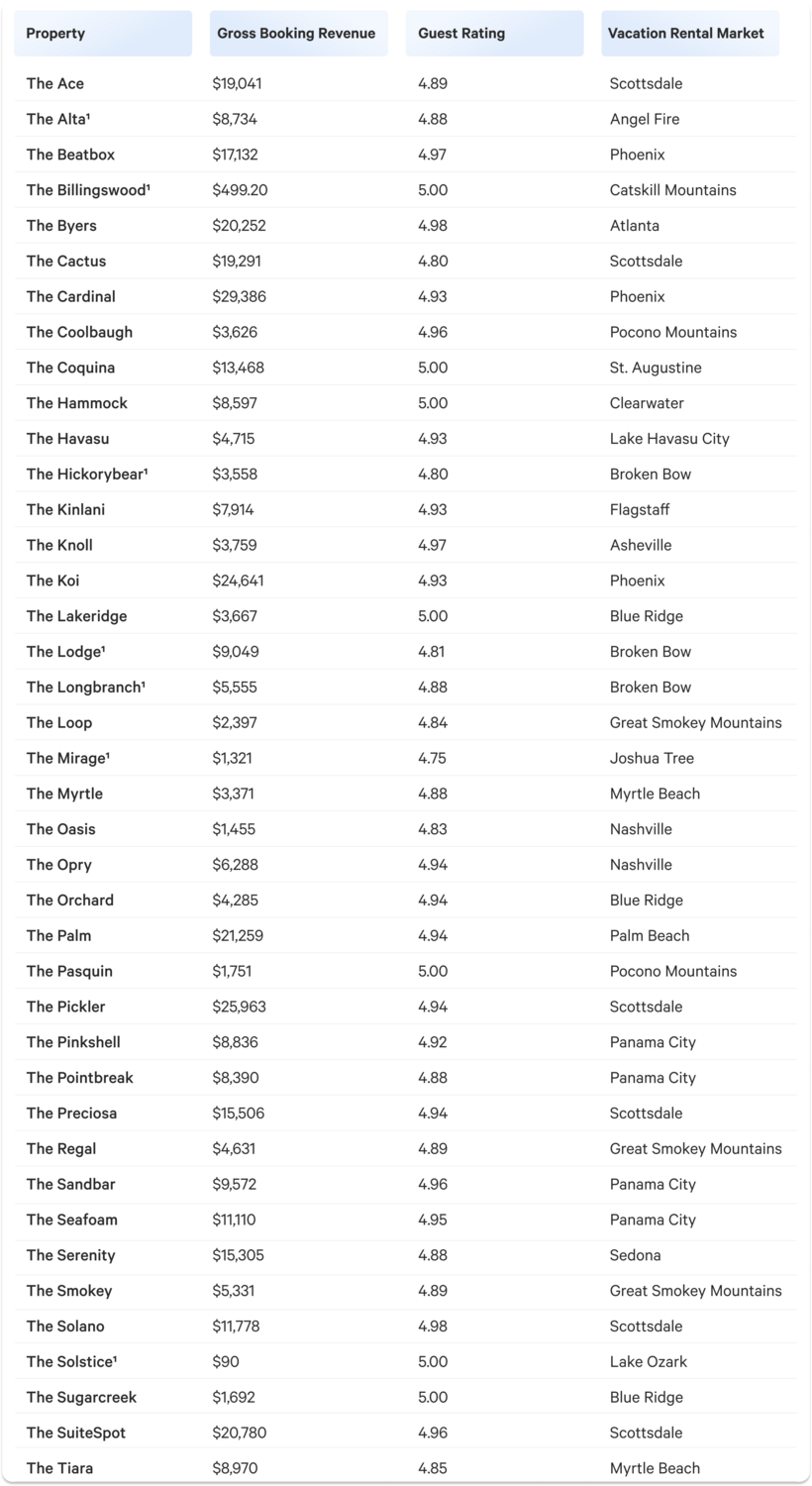
¹ Booking revenue and guest rating were affected by the transition to a new property manager.
² Booking revenue was impacted due to a maintenance issue.
See the Property History Timeline for individual updates for each property.
Want to stay at an Arrived vacation rental? Add it to your Airbnb wishlist ✨
Closing Thoughts by Arrived VP of Investments, Cameron Wu
"As we close out the quarter, our focus remains on discipline and relative value. We continue to see leverage as an important long-term tool in real estate, but with financing costs still elevated, we’re being patient and selective about where we add new debt. In private credit, the fund continues to generate consistent income, even as increased competition puts pressure on yields, and we’re responding by emphasizing borrower quality, conservative leverage, and downside protection over chasing headline returns. Across single family residential, new construction remains the most attractive acquisition channel we see today, with builder relationships continuing to create pricing advantages that are difficult to find in the resale market.
Looking ahead, we’re also spending more time on a few emerging areas of opportunity. In multifamily, ongoing stress from the 2022 to 2024 syndication cycle is beginning to create openings in smaller assets in secondary markets. And in 1031, early demand has reinforced our view that investors are looking for more accessible ways to transition out of active property management.
We’re approaching both areas thoughtfully, but the signals are encouraging, and we expect them to remain important areas of focus through 2026."
Watch the Q1 2026 Financials webinar and Q&A session
Arrived co-founder and CEO Ryan Frazier joins VP of Investments Cameron Wu and Head of Operations Jake Pruchno for an in-depth analysis of the Arrived portfolio for Q1 2026. Korin Hedlund, Head of Investor Relations, leads the Q&A.